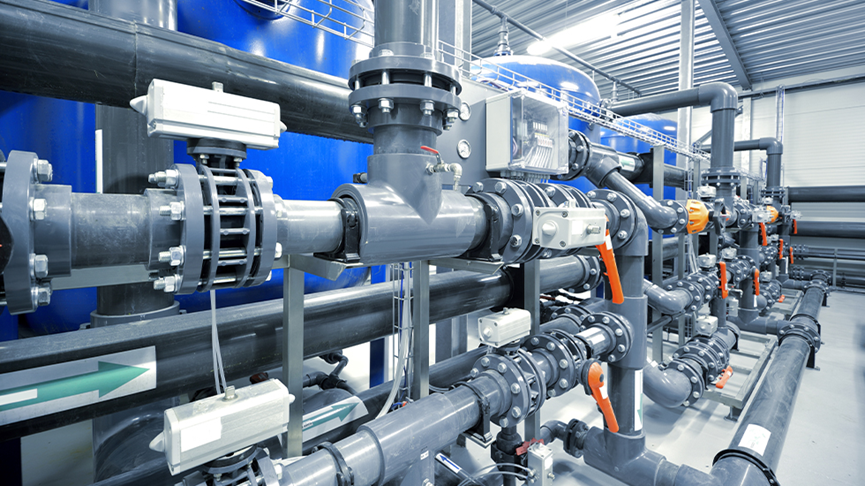
Energy efficiency is a critical consideration in the design and operation of industrial piping systems. LESSO America specializes in PVC piping solutions that support energy-saving practices. By focusing on insulation, fluid dynamics, and maintenance, facilities can significantly reduce energy loss and operational costs.
Importance of Insulation
Proper insulation is essential for minimizing energy loss in industrial piping. Insulating pipes helps maintain the desired temperature of the fluids they carry, reducing the need for additional heating or cooling. LESSO America’s PVC pipes can be easily insulated, allowing for effective temperature control. Facilities should consider using high-quality insulation materials to enhance overall efficiency and reduce energy consumption.
Understanding Fluid Dynamics
Fluid dynamics plays a vital role in the efficiency of piping systems. The design and configuration of pipes can influence how fluids flow, impacting energy usage. LESSO America encourages the evaluation of pipe diameter and layout to optimize flow rates. By minimizing bends and fittings, facilities can reduce turbulence and resistance, leading to improved energy efficiency. Regular assessment of flow characteristics ensures that systems are operating at peak performance.
Maintenance Techniques for Efficiency
Ongoing maintenance is crucial for sustaining energy efficiency in industrial piping systems. Regular inspections help identify leaks, wear, and other issues that can lead to energy loss. LESSO America recommends implementing a proactive maintenance schedule to address potential problems before they escalate. This includes checking for proper insulation, ensuring fittings are secure, and monitoring the condition of the pipes. By prioritizing maintenance, facilities can enhance the longevity and efficiency of their piping systems.
Conclusion
In conclusion, optimizing energy efficiency in industrial piping systems involves a focus on insulation, fluid dynamics, and maintenance. LESSO America’s PVC piping solutions provide a practical foundation for implementing these best practices. By taking these steps, facilities can reduce energy loss while improving operational effectiveness and sustainability. Prioritizing energy efficiency not only benefits the environment but also leads to significant cost savings over time.